Project Overview
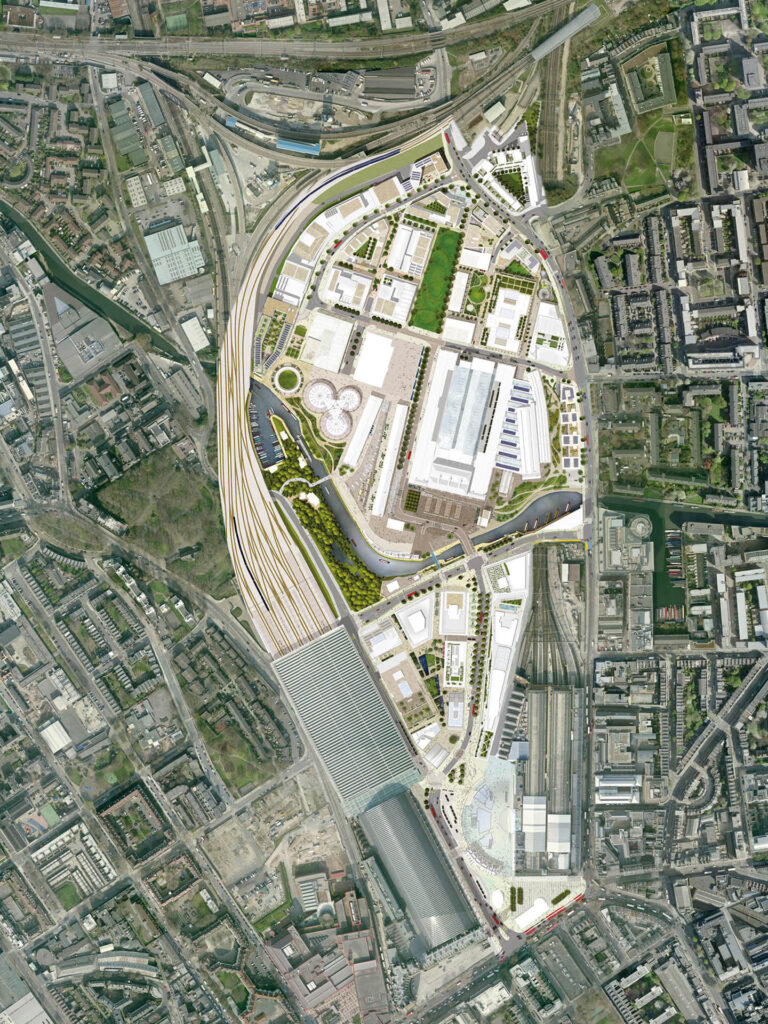
Soundings was appointed in September 2002 to advise on and implement a full programme for consultation on Argent St George’s framework plan for King’s Cross Central (KXC). Since 2002, Soundings has been involved in the project for over a decade; this case study focuses on the initial years of their work leading up to the submission of the Outline Planning Application.
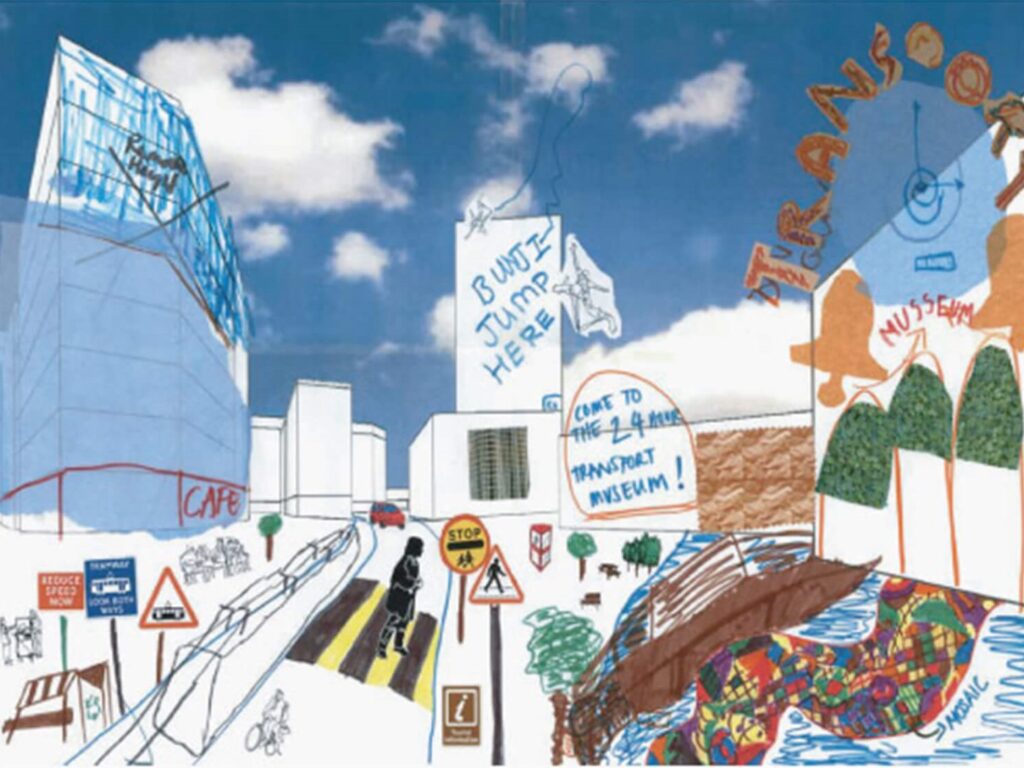
Soundings’ work builds on Argent St George’s initial consultation activities, in which Argent sought for feedback on ‘Principles for a Human City’ (2001), a document which sets out their philosophy of regeneration and makes clear their commitment to 10 principles of citymaking. As the regeneration framework was being developed, Soundings designed and stewarded a consultation programme specifically targeting young people in the area as part of a wider consultation and engagement process involving complementary studies and activities, some of which were jointly led by Argent and King’s Cross Partnership and the London Boroughs of Camden and Islington. Soundings’ work involved an extensive, varied and innovative programme of events and activities in collaboration with youth groups, youth agencies and schools, the findings of which were fielded back to the client and design team regularly. The work culminated in a 3-volume Statement of Community Involvement (2004), which is widely considered a benchmark for public consultation.
Process of Initial Engagement (RIBA Stage 0)
Stage 1: Consultation
• Contacting youth groups and schools
• Educating young people and building awareness about the future of KX
• Providing a forum for discussing with young people the potential impact of the development on their lives
• Deploying engaging tools and techniques to collect ideas and aspirations
Stage 2: Findings
• Collating of information gathered
• Analysis and development of information
• Mapping of information
Stage 3: Ideas and recommendations
• 20 rough ideas – Soundings consolidated the contributions and devised a series of challenging propositions for the area, under three themes (‘youth projects’, ‘non youth projects’ & ‘wider area planning’)
Stage 4: Dissemination and feedback
• Continued feedback on the process, and the propositional ideas
• Development of dedicated website
• Holding public open days for feedback
• Agreeing on next steps
Process of Developing the Framework (RIBA Stage 1)
Stage 1: Vox Pop
• Gathering initial reactions to the Framework via events, questionnaires and interviews
• Producing film capturing vox pop reactions and young people interviewing decision makers
• Consolidating reactions to create the agenda for subsequent workshops (of next stage)
Stage 2: Discussion workshops
• Hosting workshops for open discussions of emerging issues
• Hosting interactive exhibitions
Stage 3: Processing and analysing responses
• Transcribing, databasing, analysing and interpreting information
• Detailed analysis of consultation on each section in the Framework
Stage 4: Drawing conclusions
• Understanding the nature of responses to the Framework and its ideas
• Reviewing all material gathered and how the range of issues are categorised and interpreted
• Identifying and describing the key issues across all consultation activities
• Channelling conclusions to the development of the outline planning application
Key Takeaways