Project Overview
After winning the competition by public vote in October 2019, DSDHA were appointed to explore a series of strategic feasibility options ranging from modest refurbishment to improve the quality of life of residents through to a more extensive redevelopment that would provide additional council homes within the Tustin Estate.
It was key to the brief that all Tustin residents were involved in deciding what they see on their estate, with DSDHA leading an inclusive and meaningful community engagement process that culminated in a referendum to agree the preferred option.
Process
1. Common Grounds team established
DSDHA led a group brought together specifically for the project, under the name ‘Common Grounds’, comprising of members from the design team, which included local design firm Kennedy Woods, interdisciplinary design collective RESOLVE, and the education architects Hayhurst & Co. This allowed several ongoing relationships to be forged between designers, individual residents and businesses via outreach.
2. Residents Project Group established
A unique approach to project governance was adopted, which saw the establishment of a Residents Project Group. This group was trained to engage in the briefing and viability assessment process. They were also responsible for writing a constitution for the project, for selecting DSDHA as their architects, and for meeting formally with the design team on a monthly basis.
3. Wide-reaching engagement
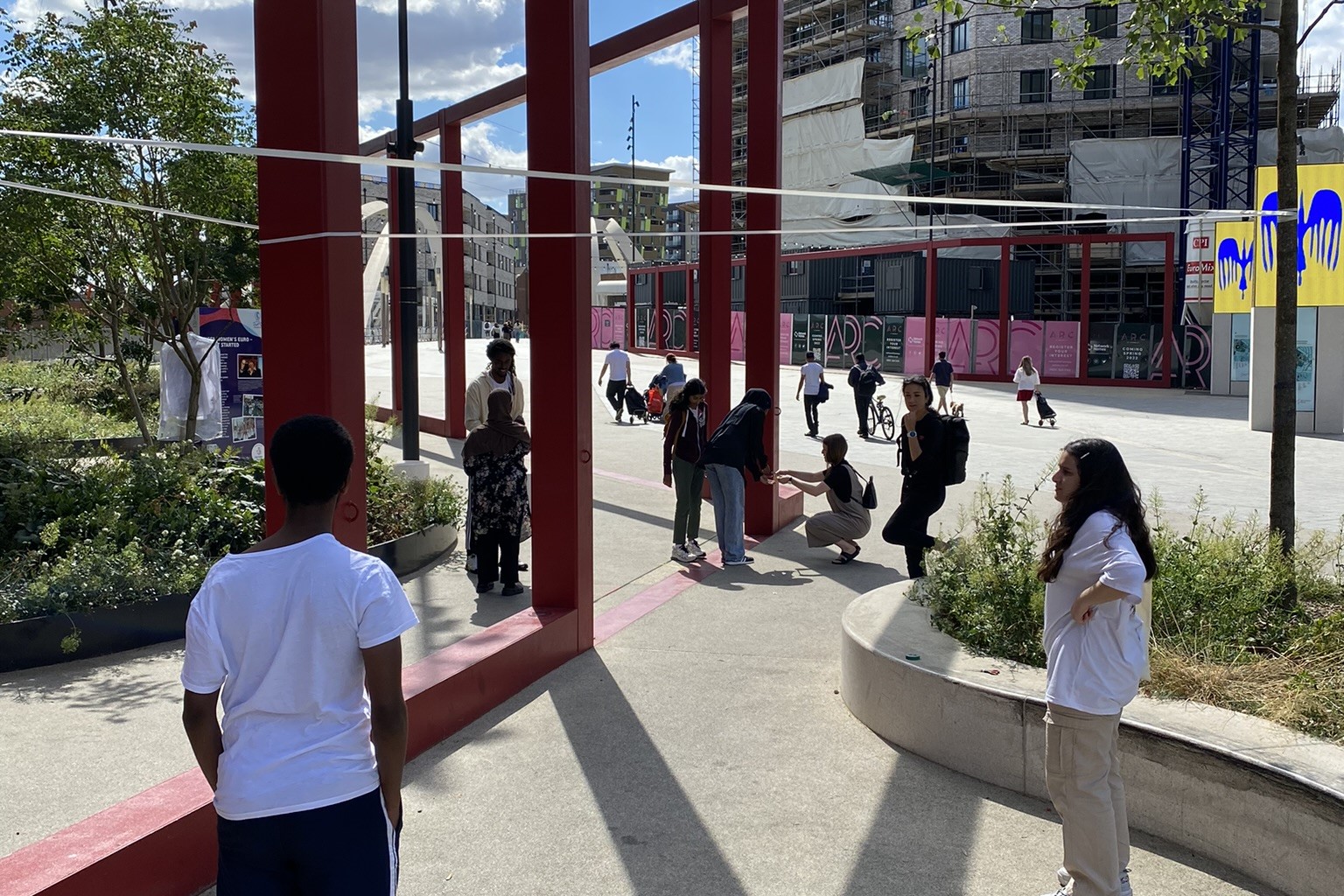
A structured series of engagements were promoted by newsletters and door-to-door visits, managed by the Southwark Council, alongside public meetings and community events – such as an estate gardening club and games of football.
4. Regular and targeted outreach initiatives
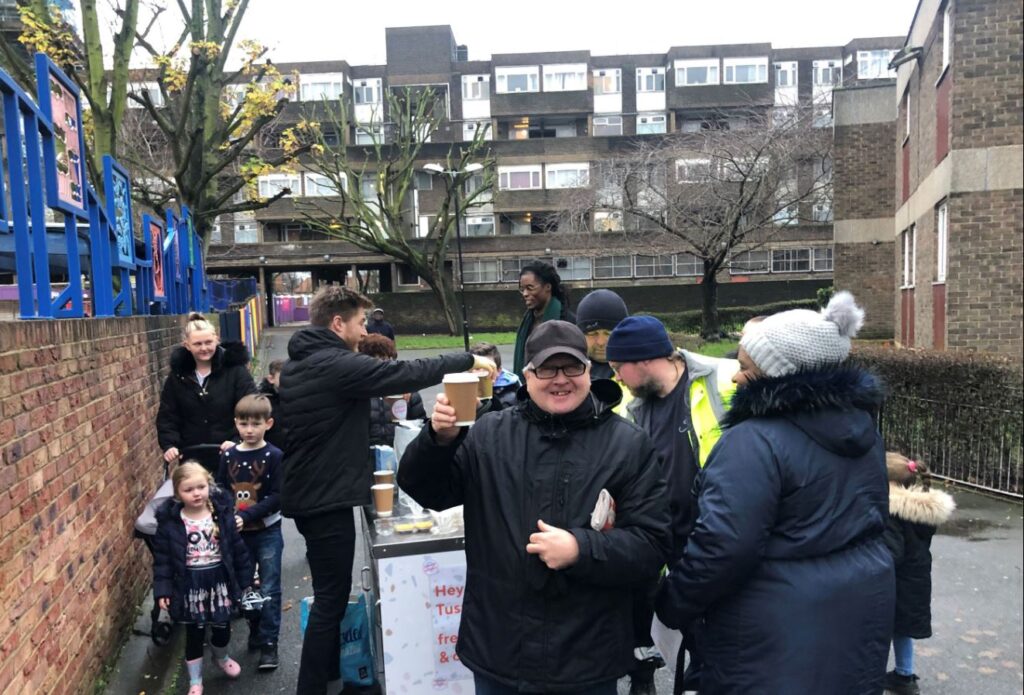
Running a weekly drop-in hub as well as outreach initiatives – like the Common Grounds Coffee Cart – the team were able to show design progress and run one-to-one engagements with residents, tenants, leaseholders and freeholders to get personal feedback on options and inform design development. As a result, the team were able to reach residents who were otherwise unable to attend traditional consultation events.